Care planning
Somebody holding the whole picture
A care plan is not paperwork. It is the difference between nine people each doing their bit and nobody noticing that your mother has stopped eating breakfast.
Case management
One person who knows the whole story
Families managing care for an older relative end up coordinating a surprising number of people: a family doctor, perhaps a specialist, a pharmacist, an occupational therapist, an Ontario Health atHome coordinator, two or three support workers, and a sibling in another city who wants updating. Nobody is in charge of the whole picture, so the whole picture is nobody’s job.
Every client is assigned a case manager who holds it. They write the care plan, brief the workers, notice when something changes, and are the person you call when you do not know who to call.
01
We visit and listen
A conversation at the kitchen table, not a clipboard assessment. What does a normal day look like, what has changed recently, what is the thing that worries you most at 3am.
02
We write the plan
Specific and practical: which tasks, at what times, in what order, with what the worker should do if something is not right. Written in plain language, shared with you.
03
We brief the workers
Nobody arrives at a home cold. Workers are briefed on the person, not just the tasks — the routines that matter, the topics to avoid, the name of the dog.
04
We review and adjust
The first plan is always slightly wrong. We revisit it in the first two weeks and at any point the situation changes.
Working with your doctor
We are part of a team, not a replacement for one
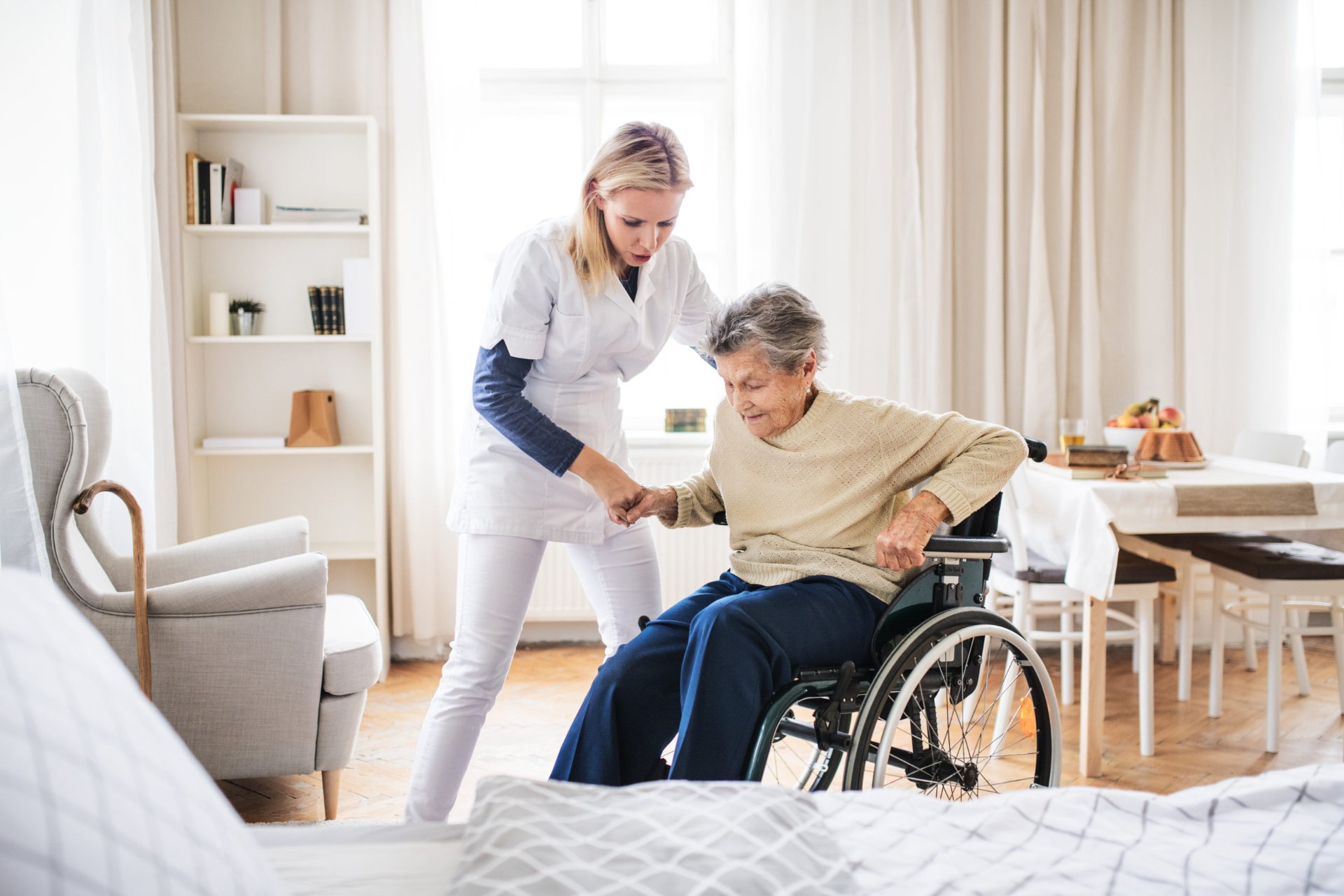
Our workers are with a client for hours at a time, often several times a week. That makes them the earliest people to notice a change — a new unsteadiness, a swollen ankle, confusion that was not there last month, a prescription that keeps being left in the packet.
With your consent, we pass those observations to the family and, where appropriate, to the family doctor. We do not diagnose and we do not advise on treatment. We report what we see, promptly and in writing, and that early warning is frequently the most clinically valuable thing we do.
What we share
Changes in mobility, appetite, mood, continence, sleep, skin condition and medication adherence. Falls or near-falls, always, the same day.
What we ask for
A copy of the current medication list, and any instructions the doctor wants followed. If there is a hospital discharge summary, it helps us enormously.
Where we stop
We are not a nursing service. We do not administer medication, dress wounds, give injections or perform any clinical procedure. If a client needs that, they need a nurse and we will say so.
Request a call back
Tell us a little about your situation and we will get back to you within two business days.
Not sure what you need yet?
That is what the first conversation is for. There is no charge and no obligation.